
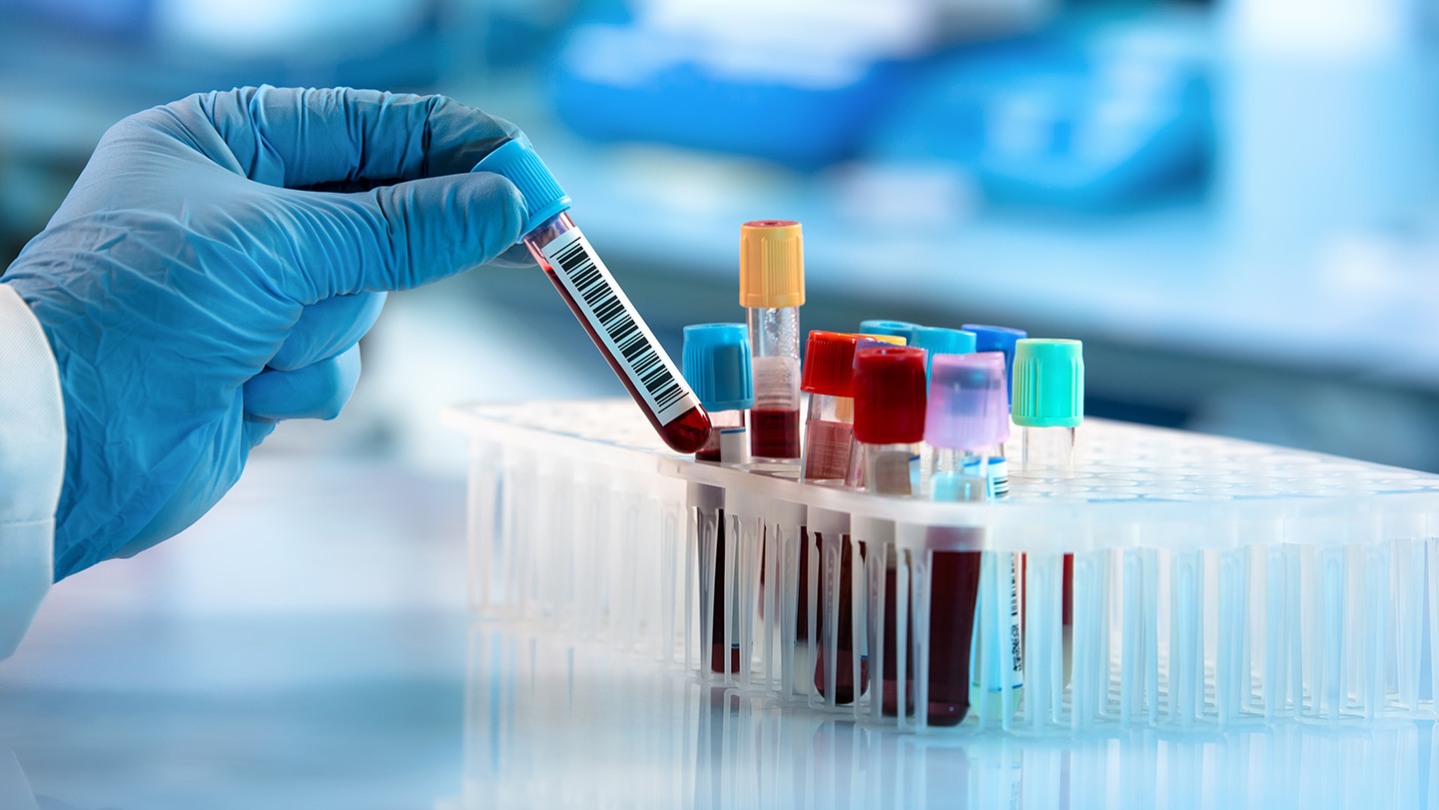
Early Disease Detection Methods Supported by New Studies
Early disease detection has become one of the most impactful strategies in modern healthcare. Recent studies show that identifying illnesses at their earliest biological stages can dramatically improve survival rates, reduce treatment costs, and enhance quality of life. Advances in diagnostics, artificial intelligence, and molecular science are now reshaping how clinicians recognize disease long before symptoms appear.
Why Early Detection Matters More Than Ever
Detecting disease early allows healthcare providers to intervene before irreversible damage occurs. Conditions such as cancer, cardiovascular disease, diabetes, and neurodegenerative disorders often progress silently, making late diagnosis both common and dangerous.
Key benefits of early disease detection include:
-
Higher treatment success rates
-
Less aggressive and less expensive therapies
-
Improved long-term patient outcomes
-
Reduced strain on healthcare systems
New research continues to confirm that prevention and early intervention outperform reactive treatment strategies.
Biomarker-Based Detection: Reading the Body’s Early Signals
Biomarkers are measurable biological indicators found in blood, saliva, urine, or tissues. New studies highlight how molecular and protein biomarkers can reveal disease activity years before clinical symptoms emerge.
How Biomarkers Are Advancing Detection
-
Cancer biomarkers can identify tumor activity at microscopic levels
-
Inflammatory markers predict autoimmune and cardiovascular disease risk
-
Metabolic biomarkers signal early-stage diabetes and liver disease
Researchers are now developing multi-biomarker panels, increasing accuracy while reducing false positives.
Artificial Intelligence in Medical Imaging
Artificial intelligence has revolutionized diagnostic imaging by identifying patterns invisible to the human eye. Studies show AI-assisted imaging improves early detection across multiple conditions.
Areas Where AI Is Making a Difference
-
Radiology: Detecting early lung, breast, and brain tumors
-
Cardiology: Identifying subtle heart abnormalities
-
Ophthalmology: Spotting early diabetic retinopathy and glaucoma
AI systems continuously learn from vast datasets, improving diagnostic precision with every scan.
Genetic and Genomic Screening
Genetic testing is no longer limited to rare disorders. New genomic studies reveal how inherited risk factors can predict disease susceptibility decades in advance.
Benefits of Genetic Screening
-
Identifies predisposition to cancers, heart disease, and neurological disorders
-
Enables personalized prevention plans
-
Guides lifestyle and medication decisions before disease onset
When combined with family history and clinical data, genomic screening forms the backbone of precision medicine.
Wearable Technology and Continuous Monitoring
Wearable devices have evolved from fitness trackers into powerful diagnostic tools. Research now shows continuous monitoring can detect early physiological changes linked to disease.
Common metrics tracked include:
-
Heart rate variability
-
Blood oxygen levels
-
Sleep patterns
-
Activity and movement changes
Subtle deviations in these signals can indicate infections, cardiovascular issues, or metabolic disorders before symptoms become noticeable.
Liquid Biopsies: A Less Invasive Breakthrough
Liquid biopsy technology analyzes fragments of DNA, RNA, or proteins circulating in blood. Studies indicate this method can detect cancers and other diseases earlier than traditional tissue biopsies.
Why Liquid Biopsies Are Gaining Attention
-
Non-invasive and repeatable
-
Capable of detecting multiple diseases simultaneously
-
Useful for monitoring disease progression and recurrence
This approach is rapidly moving from research labs into clinical practice.
Population-Level Screening Powered by Data
Large-scale health data analysis enables earlier identification of disease trends across populations. By combining electronic health records, lifestyle data, and diagnostics, researchers can predict risk at both individual and community levels.
Emerging screening models focus on:
-
Risk stratification
-
Personalized screening schedules
-
Preventive interventions tailored to demographics
This data-driven approach improves efficiency while minimizing unnecessary testing.
Ethical and Practical Considerations
While early detection offers enormous promise, studies also emphasize the importance of ethical implementation.
Key challenges include:
-
Avoiding overdiagnosis
-
Ensuring data privacy
-
Making advanced diagnostics accessible and affordable
Responsible integration ensures early detection benefits patients without creating harm or inequality.
The Future of Early Disease Detection
Ongoing studies suggest the future lies in combining multiple detection methods—biomarkers, AI, genetics, and wearables—into unified diagnostic systems. These integrated platforms aim to deliver faster, more accurate, and more personalized health insights.
As technology advances, early disease detection is shifting from possibility to standard practice, fundamentally transforming how medicine approaches prevention and care.
Frequently Asked Questions (FAQ)
1. What diseases benefit the most from early detection?
Cancer, cardiovascular disease, diabetes, and neurological disorders show the greatest improvement in outcomes when detected early.
2. Are biomarker tests reliable for early diagnosis?
Yes, especially when multiple biomarkers are analyzed together, which improves accuracy and reduces false results.
3. Can wearable devices truly detect disease early?
Recent studies indicate wearables can identify early physiological changes, but they work best alongside clinical evaluation.
4. Is genetic testing useful for people without symptoms?
Genetic testing can reveal inherited risks even in healthy individuals, allowing preventive strategies before disease develops.
5. What is the difference between liquid biopsy and traditional biopsy?
Liquid biopsies analyze blood samples instead of tissue, making them less invasive and easier to repeat.
6. Does early detection always mean better outcomes?
In most cases yes, but appropriate follow-up and treatment are essential to realize the benefits.
7. Will early disease detection become routine healthcare?
Current research suggests early detection methods will increasingly become part of standard preventive care worldwide.


