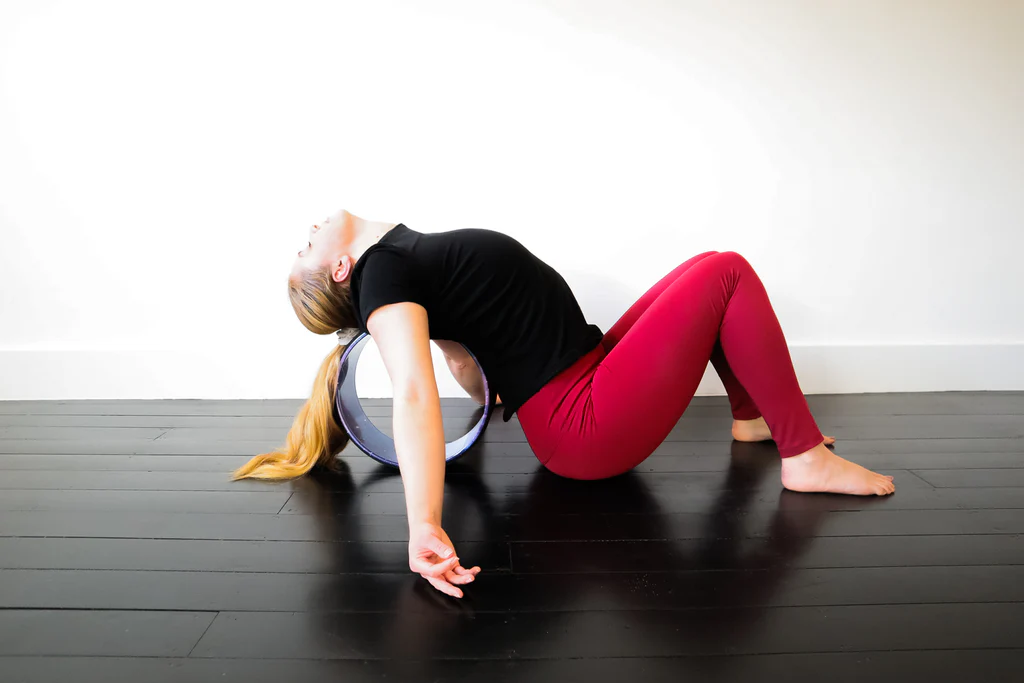
Deep Tissue Renewal: How Yoga Wheel Practice Enhances Myofascial Release and Mobility for Tight Hips and Lower Back
Understanding the Growing Need for Deep Mobility
Modern lifestyles have made sedentary habits almost unavoidable. Long hours at a desk, limited physical activity, and constant screen use all contribute to tight hips, restricted spinal movement, and discomfort in the lower back. These issues are not always rooted in muscle weakness alone, but often in deeper connective tissue restrictions that ordinary stretching fails to release. This is where the practice involving the yoga wheel offers a targeted and effective solution.
Unlike traditional yoga props that primarily aid alignment or balance, the yoga wheel introduces dynamic pressure and curvature that stimulate deep fascial release. It can enhance flexibility, correct posture, and restore freedom of movement for anyone struggling with stiffness.
What Is Fascia and Why It Matters
Fascia is a web-like connective tissue that wraps around muscles, bones, and organs, providing structure and support. When it becomes tight or dehydrated, it limits movement and creates a pulling effect that can cause pain and reduced mobility. Daily activities like sitting, driving, or repetitive movements can gradually build fascial adhesions, making stretching alone insufficient to release these deep restrictions.
Practising with a yoga wheel helps by applying sustained, even pressure along the spine, hips, and shoulders. This pressure acts similarly to a self-myofascial release (SMR) technique, improving circulation, hydrating tissues, and breaking down fascial adhesions. Over time, this enhances joint range of motion and reduces chronic stiffness.
How the Yoga Wheel Supports Myofascial Release
The design of the yoga wheel encourages spinal traction and thoracic expansion, allowing the body to open gently but deeply. When used correctly, it provides the perfect combination of extension, compression, and controlled movement that promotes tissue recovery.
Key benefits include:
-
Targeted Pressure Application: Rolling along the spine and hip area massages the fascia and promotes elasticity.
-
Improved Circulation: The mechanical pressure enhances blood and lymph flow, encouraging faster tissue repair.
-
Enhanced Body Awareness: The curved surface teaches controlled engagement and precise movement, improving posture alignment.
-
Reduced Tension: Regular use alleviates chronic tightness caused by poor posture or overuse.
Comparing Yoga Wheel to Other Tools
Foam rollers and massage balls are common tools for myofascial release, yet the yoga wheel offers distinct advantages. It allows a greater range of motion and supports full-body engagement, especially in areas like the thoracic spine and hip flexors that are difficult to target with other devices. The wheel’s curved structure distributes weight evenly, reducing strain while promoting controlled extension.
While foam rollers focus more on linear muscle compression, the yoga wheel adds the benefit of gentle backbends and mobility training, combining flexibility with strength and stability.
Techniques to Release Hips and Lower Back
Integrating the yoga wheel into a routine can transform the way you move and recover. Below are specific approaches designed to address common tension areas.
1. Spinal Roll-Outs
Place the wheel at the base of your spine and slowly roll upward, pausing at points of tightness. This helps decompress vertebrae, improves thoracic mobility, and releases fascia around the lower back.
2. Hip Opener Flow
Sit with one leg bent and the other extended over the wheel. Use it to gently roll the outer thigh and glute area, focusing on releasing tension in the piriformis and hip flexors.
3. Supported Bridge Lift
Lie on your back with the wheel beneath your sacrum. Lift your hips slightly, letting the wheel support the lower spine. This position creates passive extension, lengthening hip flexors and abdominal fascia.
4. Twisting Release for Side Fascia
Incorporate side stretches and rotations using the wheel to open lateral fascial lines that contribute to stiffness around the waist and ribs.
The Role of Breathwork in Myofascial Release
Breathing is an integral part of fascia hydration and release. Slow, diaphragmatic breathing while rolling helps oxygenate tissues and lowers the body’s stress response. During each exhale, the body naturally softens into tension points, allowing deeper release without force. This mind-body synchronisation also enhances focus and relaxation, turning physical practice into a meditative experience.
Long-Term Benefits for Mobility and Posture
Consistent practice with the yoga wheel leads to significant physical improvements over time. Users often report:
-
Better spinal alignment and reduced slouching.
-
Decreased pain associated with prolonged sitting.
-
Enhanced flexibility in the hips, hamstrings, and shoulders.
-
Improved athletic performance through greater joint freedom.
-
A general sense of lightness and restored movement efficiency.
For athletes or fitness enthusiasts, the wheel acts as a recovery aid that complements strength and endurance training. For desk workers, it becomes a maintenance tool to counteract daily posture habits.
Safe and Effective Practice Guidelines
While yoga wheel practice can be transformative, proper technique is crucial. Beginners should start with small, slow movements and avoid sudden backbends or deep rolls without adequate warm-up.
Safety tips include:
-
Warm up the spine with light cat-cow or side stretches.
-
Avoid overextending or forcing deep arches.
-
Keep your core engaged to protect the lower back.
-
Use a mat for traction and stability.
-
Consult a professional if you have existing spinal or joint conditions.
By gradually increasing intensity and duration, you can enjoy steady progress without discomfort or injury.
Integrating Yoga Wheel into Your Routine
The wheel can be used independently or as part of a structured yoga flow. Short daily sessions of 10–15 minutes are enough to maintain flexibility, while longer routines twice a week can produce more profound mobility gains. Combining wheel practice with strength training or restorative yoga provides a balanced approach to fitness and recovery.
A well-planned routine might include:
-
5 minutes of gentle rolling for spine and shoulders.
-
10 minutes of focused hip mobility drills.
-
5 minutes of deep backbends and counterposes.
-
5 minutes of breath-based relaxation for integration.
Mental and Emotional Aspects of Release
Myofascial release not only eases physical tension but also influences emotional wellbeing. Stored stress and unresolved emotions often manifest as tightness in the body. As the fascia loosens, many practitioners experience a sense of release and calm. The wheel, in this sense, becomes a tool not just for flexibility but for emotional balance and mindfulness.
Practising in a supportive studio environment such as Yoga Edition can further enhance this experience through guided sessions, expert supervision, and a sense of community.
FAQ
Q1. How often should I use the yoga wheel for best results?
Regular practice, about three to four times a week, is ideal for improving flexibility and releasing fascia. Short daily sessions can also be beneficial for maintaining mobility.
Q2. Can the yoga wheel replace stretching or physiotherapy?
It complements rather than replaces other modalities. While it helps with deep tissue release, professional care is recommended for specific medical conditions or injuries.
Q3. Is the yoga wheel suitable for beginners?
Yes, but start gently and focus on control rather than depth. Over time, as flexibility increases, you can explore deeper backbends and extensions.
Q4. Can I use the yoga wheel if I have lower back pain?
If pain is caused by muscle tightness or mild stiffness, gentle wheel practice may help. However, consult a physiotherapist before use if the pain is due to injury or disc-related issues.
Q5. What is the best time of day to practice?
Early morning or evening sessions work well for most people. Practising after a warm shower or light movement can further aid tissue elasticity and comfort.
By integrating mindful movement, consistent practice, and proper technique, the yoga wheel can become a transformative tool for deep fascial renewal and sustained mobility.