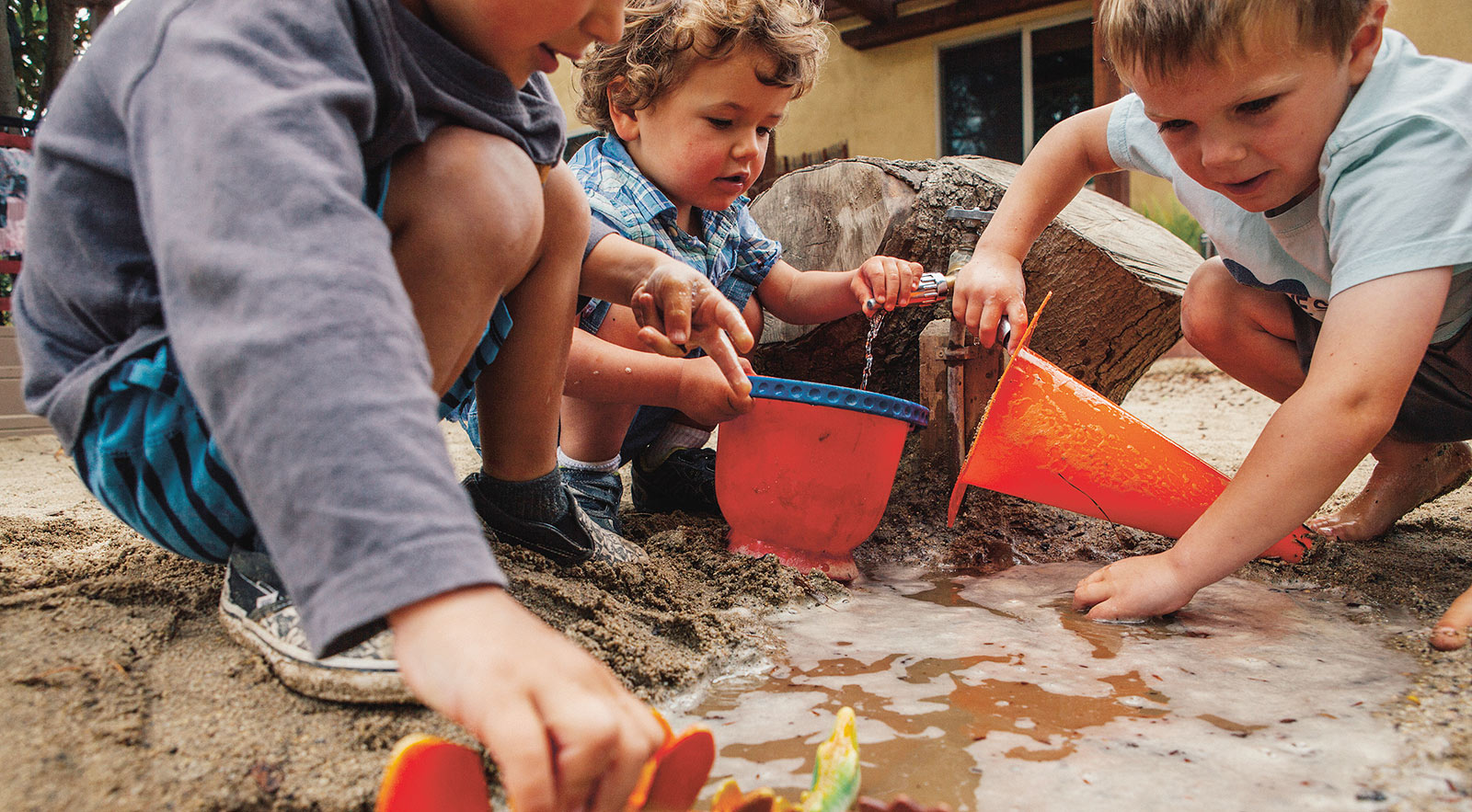
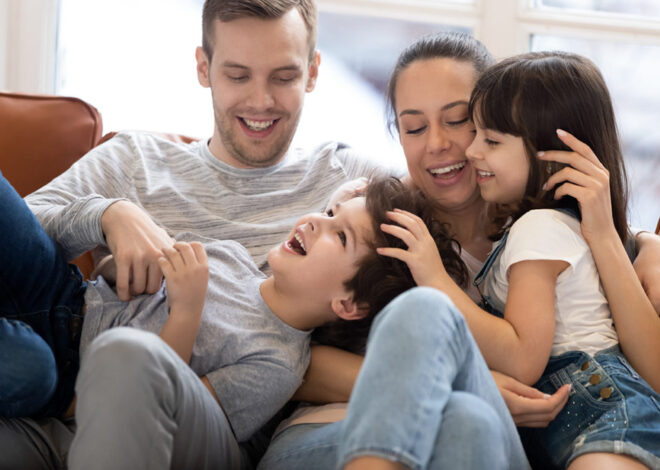
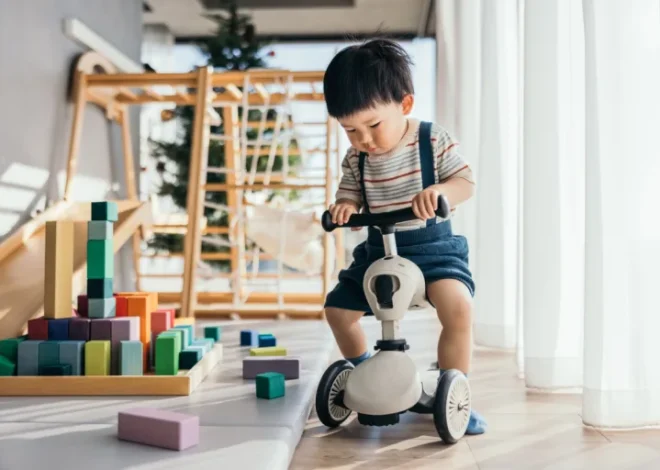
In an age of packed schedules, digital screens, and constant supervision, free play has quietly become one of the most undervalued parts of childhood. Yet decades of developmental research and real-world observation show that unstructured, child-led play is not a luxury—it is a biological and psychological necessity. Free play shapes how children think, feel, move, and connect with others, laying the foundation for lifelong health and resilience.
Understanding Free Play
Free play refers to activities that are self-chosen, self-directed, and open-ended. There are no preset rules imposed by adults, no performance goals, and no structured outcomes.
Examples of free play include:
-
Pretending a stick is a sword or a magic wand
-
Building imaginary worlds with toys or natural objects
-
Running, climbing, or inventing games with friends
-
Drawing, storytelling, or role-playing without instructions
What defines free play is not the activity itself, but the child’s autonomy and imagination guiding it.
How Free Play Supports Brain Development
During free play, a child’s brain is working at full capacity. They plan, adapt, experiment, and make decisions in real time.
Cognitive benefits include:
-
Problem-solving skills developed through trial and error
-
Executive function growth, such as planning and self-control
-
Creativity and flexible thinking from open-ended exploration
-
Language development through storytelling and peer interaction
Unlike structured activities, free play allows children to follow curiosity, which strengthens neural connections in a natural and lasting way.
Emotional Growth and Self-Regulation
Free play provides a safe space for children to process emotions and experiences.
Through imaginative scenarios, children:
-
Act out fears and anxieties
-
Practice emotional expression and empathy
-
Learn to cope with frustration and disappointment
-
Build confidence through self-initiated success
When children control their play, they also learn self-regulation, a core skill for managing stress and emotions later in life.
Social Skills Learned Through Unstructured Play
Many essential social skills are not taught directly—they are discovered during free play with others.
Children naturally learn to:
-
Negotiate rules and roles
-
Resolve conflicts without adult intervention
-
Take turns and practice fairness
-
Understand social cues and boundaries
These peer-led interactions help children develop emotional intelligence, cooperation, and a sense of belonging.
Physical Health and Motor Development
Free play often involves movement, especially when it happens outdoors. This movement is critical for healthy physical development.
Key physical benefits include:
-
Improved gross motor skills like running, jumping, and climbing
-
Enhanced fine motor skills through drawing, building, and manipulating objects
-
Better balance, coordination, and spatial awareness
-
Reduced risk of childhood obesity
Active play also supports stronger bones, muscles, and overall cardiovascular health.
Free Play and Mental Well-Being
Children today face increasing academic pressure and overstimulation. Free play acts as a natural buffer against stress.
Unstructured play:
-
Lowers cortisol (stress hormone) levels
-
Encourages joy, laughter, and relaxation
-
Supports mental resilience and adaptability
-
Reduces symptoms linked to anxiety and burnout
Simply put, play is how children reset and recharge their minds.
Why Adult Over-Structuring Can Be Harmful
While organized activities have value, too much structure can limit a child’s ability to think independently.
Over-scheduling may lead to:
-
Reduced creativity and imagination
-
Dependence on adult direction
-
Fear of failure or making mistakes
-
Less intrinsic motivation
Children need space to explore, fail, and succeed on their own terms.
How Parents and Caregivers Can Encourage Free Play
Supporting free play doesn’t require expensive toys or elaborate plans.
Practical ways to encourage it include:
-
Allowing unstructured time every day
-
Providing simple, open-ended materials
-
Limiting screen time
-
Letting children get bored—it sparks creativity
-
Resisting the urge to constantly intervene
The goal is not to direct play, but to protect time and space for it to happen naturally.
Free Play in a Modern World
Even in busy, technology-driven environments, free play remains possible and essential. Whether indoors or outdoors, alone or with peers, children need opportunities to explore their world freely.
When society values free play, it nurtures not only healthier children—but more adaptable, creative, and emotionally strong adults.
Frequently Asked Questions
What is the ideal amount of free play for children each day?
Most experts recommend at least one to two hours of unstructured play daily, depending on age and lifestyle.
Is free play more important than organized activities?
Both have value, but free play is essential for creativity, emotional growth, and independence in ways structured activities cannot replace.
Can free play include digital games?
Some digital play can be creative, but physical and imaginative offline play provides broader developmental benefits.
At what age is free play most important?
Free play is crucial throughout childhood, but it is especially important during early and middle childhood when brain development is most rapid.
How does free play help children with anxiety?
Free play allows children to express emotions, gain control over scenarios, and reduce stress naturally through enjoyment and movement.
What if my child says they’re bored?
Boredom is often the starting point of creativity. Giving children time to figure out what to do encourages independence and imagination.
Does free play benefit children with learning differences?
Yes, free play supports diverse learning styles and helps children develop strengths outside traditional academic settings.