
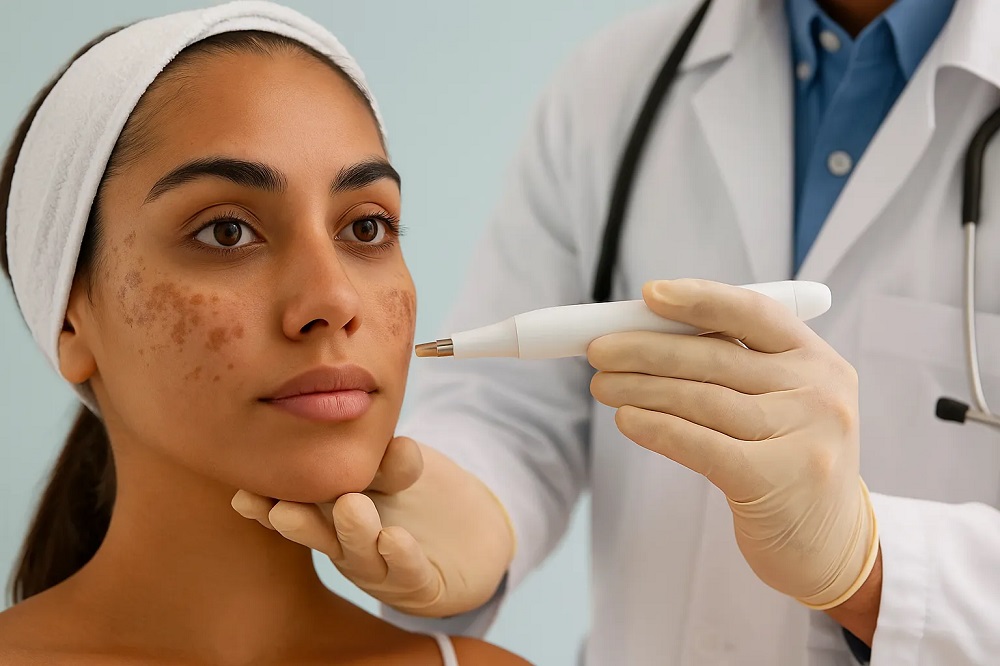
What a Well-Planned Pigmentation Treatment Journey Looks Like
Choosing a melasma treatment clinic in Bangkok should involve more than comparing procedure names or introductory prices. Melasma is a recurring pigmentation condition, so good care is usually built around a structured treatment journey: establishing a baseline, calming unnecessary inflammation, introducing treatments gradually and reviewing how the skin responds over time.
The First Appointment Should Set a Clear Baseline
An effective consultation begins with a detailed discussion about when the pigmentation appeared and how it has changed. The practitioner may ask about sun exposure, pregnancy, hormonal medication, previous treatments, skincare products and any episodes of irritation.
This information helps reveal patterns. For example, pigmentation that becomes noticeably darker after outdoor activity may require stricter protection from ultraviolet and visible light. Skin that has reacted badly to strong acids or intensive laser sessions may need time to recover before another procedure is considered.
Standardised photographs are useful because melasma can look different depending on lighting, recent heat exposure and skin hydration. A consistent visual record makes it easier to judge whether treatment is genuinely working rather than relying on memory or daily mirror checks.
Patients should leave the consultation understanding the proposed sequence of care, not merely the name of a machine or product.
Preparation Can Influence the Result
Some treatment plans begin with a preparation period before any procedure takes place. The aim may be to strengthen the skin barrier, reduce irritation or introduce ingredients that help regulate pigment production.
This stage can be particularly important for people using multiple active products. Combining retinoids, exfoliating acids, brightening serums and abrasive scrubs may leave the skin more reactive than it appears. Performing an intensive procedure on already irritated skin can increase inflammation and potentially worsen uneven pigmentation.
A practitioner may recommend simplifying the routine temporarily. A gentle cleanser, suitable moisturiser and dependable sun protection often form the foundation. Prescription or clinic-guided products can then be added according to tolerance.
Preparation may feel slower than moving straight to treatment, but it can make subsequent procedures more controlled and predictable.
Treatment Should Be Introduced in Stages
Melasma is rarely managed successfully by applying maximum treatment intensity from the beginning. A staged approach gives the practitioner an opportunity to see how the skin responds before adjusting energy levels, product strength or appointment frequency.
Depending on the individual case, treatment may include topical formulations, carefully selected chemical peels, laser procedures or other light-based technologies. These options work in different ways and are not equally suitable for every skin tone or pigmentation pattern.
A cautious first session can provide valuable information. Temporary redness or mild sensitivity may be expected after certain treatments, but prolonged inflammation, crusting or marked darkening should be reported promptly.
The interval between appointments also matters. Treating the skin again before it has settled may compound irritation. Allowing adequate recovery time is part of the treatment itself, not a pause in progress.

Progress Is Better Measured Over Months
Melasma treatment often produces gradual changes. The patches may become less intense, their borders may soften and the overall complexion may appear more even. Complete removal after a single session is an unrealistic expectation for most people.
Regular reviews help determine whether the plan should continue, be modified or temporarily paused. The practitioner may compare photographs, examine areas that have responded differently and ask whether lifestyle or skincare changes have affected the condition.
Progress is not always perfectly steady. A period of strong sunlight, significant heat exposure or hormonal change may temporarily darken the pigmentation. This does not necessarily mean the entire plan has failed, but it may indicate that preventive measures need to be strengthened.
Maintenance Protects the Improvement
Once the pigmentation has improved, the focus usually shifts towards maintaining the result. This may involve a reduced skincare programme, occasional professional procedures and continued daily protection.
Patients should be cautious about restarting every strong product at once simply because the skin looks clearer. Maintenance works best when it remains consistent and manageable. Regular sunscreen use, sensible product choices and early attention to new darkening can reduce the likelihood of a significant recurrence.
A well-designed treatment journey recognises that melasma is managed rather than permanently erased. By progressing carefully, recording changes and adapting treatment to the skin’s response, patients can pursue meaningful improvement without creating avoidable inflammation.


