
Key Factors That Influence Acne Prevention and Save Time
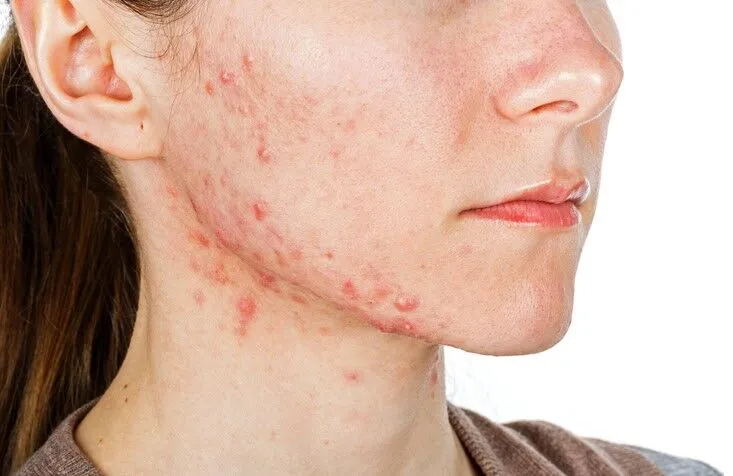
Acne is a common skin concern that affects millions of people across various age groups. Whether it’s the occasional pimple or persistent breakouts, acne can significantly impact self-esteem and emotional well-being. While numerous skincare products and treatments claim to prevent and treat acne, the reality is that effective acne prevention requires a holistic approach. It’s not just about slathering on creams and lotions—several key factors influence acne formation, and understanding them can lead to better prevention strategies that save both time and effort in the long run. In this article, we will explore the critical factors that influence acne prevention and provide insights into how you can streamline your skincare routine to achieve clearer skin without wasting precious time.
1. Proper Skin Care Routine
A balanced skincare routine is one of the most crucial factors in preventing acne. However, many people make the mistake of overcomplicating their regimen in an attempt to clear their skin, which can lead to irritation and further breakouts. The key is consistency, not complexity. The basic skincare routine should include:
-
Cleansing: It’s essential to wash your face twice a day (morning and night) with a gentle cleanser to remove dirt, oil, and impurities that can clog pores. Avoid harsh scrubbing or overly drying cleansers that strip the skin of its natural oils, as this can lead to increased oil production and worsen acne.
-
Exfoliating: While over-exfoliating can irritate the skin, gentle exfoliation once or twice a week helps remove dead skin cells that can clog pores and contribute to breakouts. Look for exfoliants with salicylic acid or lactic acid, which are both effective at clearing pores without causing harm.
-
Moisturizing: Acne-prone skin still needs moisture. Opt for oil-free or non-comedogenic moisturizers that hydrate without clogging pores. Hydrated skin is less likely to overproduce oil, which can lead to acne.
-
Sun Protection: Sunscreen is a must. Some acne medications, like retinoids, can make the skin more sensitive to the sun, leading to sunburns and irritation. Daily sunscreen application (SPF 30 or higher) protects the skin from harmful UV rays and prevents the development of post-inflammatory hyperpigmentation (dark spots) from previous breakouts.
By simplifying your skincare routine and focusing on the basics, you can save time while still addressing acne prevention effectively.
2. Diet and Hydration
While there is no one-size-fits-all dietary solution for acne, there is growing evidence that certain foods can exacerbate acne, while others may help reduce inflammation and promote clear skin. Here are some important dietary considerations:
-
Sugar and Refined Carbs: Diets high in sugar and refined carbohydrates (such as white bread, pastries, and sugary drinks) have been linked to an increase in acne. These foods can spike insulin levels, which in turn stimulates the production of sebum (skin oil), contributing to clogged pores and breakouts. By reducing your intake of these foods, you can help prevent the excess oil production that leads to acne.
-
Dairy: Some studies suggest that dairy, particularly milk, may contribute to acne in certain individuals, possibly due to the hormones present in milk. While this link is still debated, those who notice an uptick in breakouts after consuming dairy may want to limit their intake or try non-dairy alternatives.
-
Anti-Inflammatory Foods: On the flip side, a diet rich in anti-inflammatory foods like fruits, vegetables, whole grains, and fatty fish (such as salmon) can help prevent acne. These foods are high in antioxidants and essential fatty acids, which support skin health and reduce inflammation.
-
Hydration: Staying hydrated is another important aspect of acne prevention. Drinking enough water helps to flush toxins from the body and keeps the skin plump and hydrated. Proper hydration ensures that the skin remains balanced and less prone to producing excess oil, which can contribute to acne formation.
By making conscious, healthy dietary choices and staying hydrated, you can avoid some of the common acne triggers and help maintain clearer skin without having to spend excessive time on skin treatments.
3. Stress Management
Stress is another significant factor in acne formation. When we experience stress, our bodies produce more cortisol, a hormone that increases oil production in the skin. Excess oil can clog pores and contribute to acne breakouts. While it’s not always possible to eliminate stress entirely, finding ways to manage it can make a considerable difference in preventing acne.
-
Mindfulness and Relaxation: Practices such as yoga, meditation, and deep breathing can help reduce stress levels and promote overall skin health. Incorporating these practices into your daily routine—even for just 10 to 15 minutes—can make a substantial impact on preventing stress-induced breakouts.
-
Exercise: Regular physical activity not only helps reduce stress but also increases blood circulation, which in turn supports healthy skin by delivering nutrients and oxygen. Just be sure to shower after exercising to remove sweat and prevent clogged pores.
-
Sleep: Adequate sleep is essential for skin repair and recovery. Chronic sleep deprivation can increase stress levels and disrupt the skin’s natural healing process, leading to more frequent breakouts. Aim for at least 7–8 hours of sleep per night to give your body and skin the time they need to rejuvenate.
By making stress management a priority, you can prevent breakouts caused by hormonal imbalances linked to stress, saving both time and frustration in your skincare efforts.
4. Consistency with Acne Treatments
When it comes to acne treatment, consistency is key. Many people make the mistake of switching products too frequently, hoping for a miracle solution, which can disrupt the skin and cause irritation. Instead of jumping between various acne treatments, try sticking with a well-chosen treatment plan for at least a few weeks before deciding if it’s effective. Popular acne-fighting ingredients include:
-
Salicylic Acid: This beta-hydroxy acid (BHA) is great for penetrating pores and exfoliating the skin. It helps clear out blockages that lead to acne and can reduce inflammation.
-
Benzoyl Peroxide: This ingredient kills acne-causing bacteria and helps reduce inflammation. It’s effective for treating both blackheads and cystic acne.
-
Retinoids: Retinoids, such as tretinoin, are a proven solution for preventing and treating acne. They help regulate cell turnover and prevent clogged pores. While they can take some time to show results, they are incredibly effective when used consistently.
Using these treatments as part of your skincare routine, and applying them consistently, can significantly reduce acne without the need for endless experimentation with new products.
5. Choosing the Right Products for Your Skin Type
One of the most time-consuming aspects of preventing acne is trying countless products to find the right ones. To save time and effort, it’s essential to choose products that are specifically suited for your skin type. For example:
-
If you have oily skin, opt for lightweight, oil-free moisturizers and serums that won’t clog pores. Gel-based formulas and non-comedogenic products are great choices.
-
If you have dry skin, focus on hydrating ingredients like hyaluronic acid, glycerin, and ceramides. Choose moisturizers that nourish and protect the skin barrier.
-
For sensitive skin, look for products with soothing ingredients like aloe vera or chamomile, and avoid fragrances and harsh chemicals that may cause irritation.
By selecting the right products for your specific skin needs, you’ll avoid wasting time on trial and error with products that aren’t effective for your skin type.
Conclusion
Preventing acne doesn’t have to be a time-consuming or overwhelming task. By focusing on key factors such as a consistent skincare routine, a healthy diet, stress management, and using targeted acne treatments, you can reduce breakouts without the need for an overly complicated regimen. Remember, the key to acne prevention is balance—not overloading your skin with products or worrying about every potential trigger. A thoughtful, streamlined approach to skincare can save you time while helping you maintain clear, healthy skin in the long run.


